Desk Size for Dual Monitors: What You Need to Know
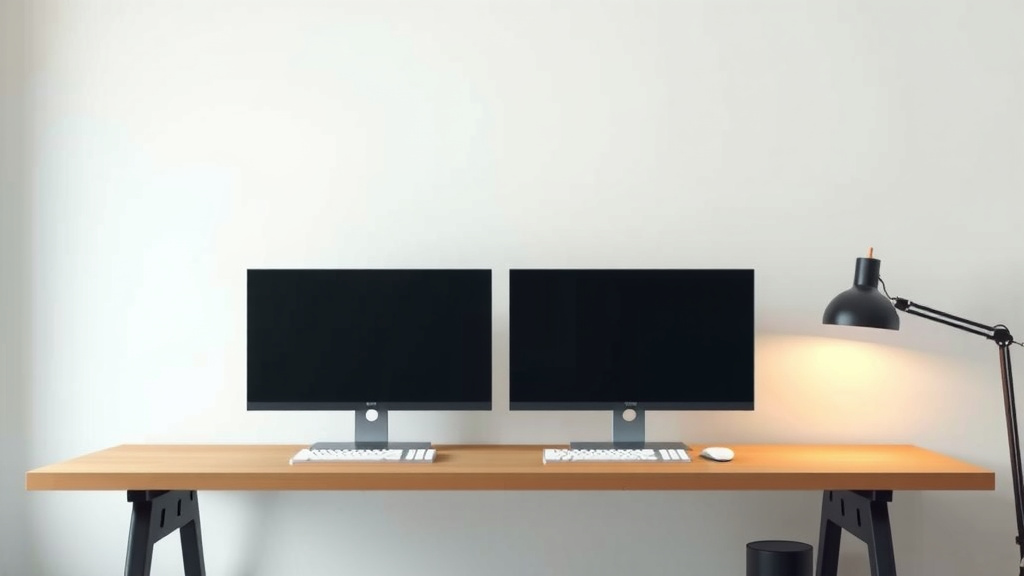
Finding the right desk size for two monitors can seem tricky. Generally, you’ll want a desk that’s at least 47 inches wide. This gives you enough room for two screens and your essential desk items. A desk around 55 inches or more is even better for comfort. It prevents your monitors from feeling too cramped.
When setting up two monitors, think about your workflow. You need space to position them correctly for good ergonomics. Plus, you’ll want room for your keyboard, mouse, and maybe even a cup of coffee. We found that too little space can make your workspace feel cluttered fast. A spacious desk really boosts productivity.
- Aim for at least 47 inches wide.
- 55 inches or wider offers more comfort.
- Consider monitor size and viewing distance.
- Don’t forget space for your keyboard and mouse.
- A bigger desk means a less cluttered workspace.
Below, we’ll help you figure out the perfect desk dimensions for your dual-monitor setup. Let’s get your workstation just right!
Getting Your Dual-Monitor Desk Size Right
Choosing the right desk size for two monitors is all about balancing space, ergonomics, and your personal setup. You’ve likely seen the basic recommendation: around 47 inches wide. But let’s dig a little deeper to make sure your new workspace feels just right for *you*.
Understanding Monitor Spacing and Viewing Distance
Your monitors are the stars of your dual-setup. Their size and how you position them directly impact the desk space you’ll need. Think about how far away you like to sit from your screens. Many experts suggest a viewing distance of about an arm’s length. This is typically between 20 to 30 inches.
Calculating Width Based on Monitor Size
Larger monitors need more real estate. Let’s say you have two 27-inch monitors. Side-by-side, they might take up around 20-24 inches of pure screen width. But that’s just the glass! You also need to account for the bezels, the frames around the screens. Plus, you need space between them.
Research suggests leaving a small gap, maybe 2-4 inches, between your monitors. This helps prevent eye strain. So, for two 27-inch monitors, you might need 20-24 inches for the screens, plus 2-4 inches for the gap. That’s already 22-28 inches just for the monitors themselves!
The Importance of Ergonomics
Ergonomics isn’t just a fancy word; it’s about making your workspace comfortable and healthy. Having your monitors too close can strain your eyes and neck. Your desk needs to allow you to position them at a comfortable height and distance. This means you can look at them without craning your neck.
We found that a desk that’s too shallow can force you to sit too close. This isn’t ideal for long work sessions. A good depth usually falls between 24 to 30 inches. This gives you enough room to place your monitors at a healthy distance and still have space for other items.
Essential Desk Dimensions for Two Monitors
So, let’s break down the numbers you should be looking for. We’ve crunched the common recommendations and ergonomic advice.
Minimum Recommended Width
As mentioned, 47 inches wide is often cited as the minimum. This can work if you have smaller monitors (like 24 inches) and are okay with a slightly tighter setup. You’ll need to be efficient with your other desk items.
Ideal Width for Comfort and Space
We strongly suggest aiming for 55 inches or wider. This range provides much more flexibility. You can comfortably fit two larger monitors, perhaps 27 inches or even 32 inches. It also allows for a decent gap between them. Plus, you’ll have ample room for your keyboard, mouse, and essential accessories without feeling crowded.
Desk Depth Considerations
Don’t forget about depth! A desk that’s too shallow can be a real pain. We found that 24 inches is generally the bare minimum for depth. However, a depth of 28 to 30 inches is much better. This allows you to pull your monitors further back. It helps create that ideal viewing distance and keeps your desk surface from feeling cramped.
Putting It All Together: Desk Size Examples
Let’s look at some common desk sizes and how they might work for your dual-monitor setup.
| Desk Width | Typical Use for Dual Monitors | Notes |
|---|---|---|
| 40-46 inches | Tight fit for smaller monitors (20-24 inches). | Minimal space for accessories. May feel cramped. |
| 47-54 inches | Good for 24-27 inch monitors. | A decent balance, but monitor placement is key. |
| 55 inches and wider | Ideal for 27-inch or larger monitors. | Offers comfort, space for accessories, and better ergonomics. |
What About Height?
Desk height is primarily an ergonomic concern. It affects your posture. Most standard desks are around 29-30 inches tall. This height works for many people, especially when paired with an adjustable chair. You should be able to rest your arms comfortably at a 90-degree angle while typing.
If you’re considering a standing desk, ensure it offers a good range. You want to be able to adjust it to both your sitting and standing heights comfortably. Many ergonomic guidelines suggest the ideal standing desk height allows your arms to be at that same 90-degree angle.
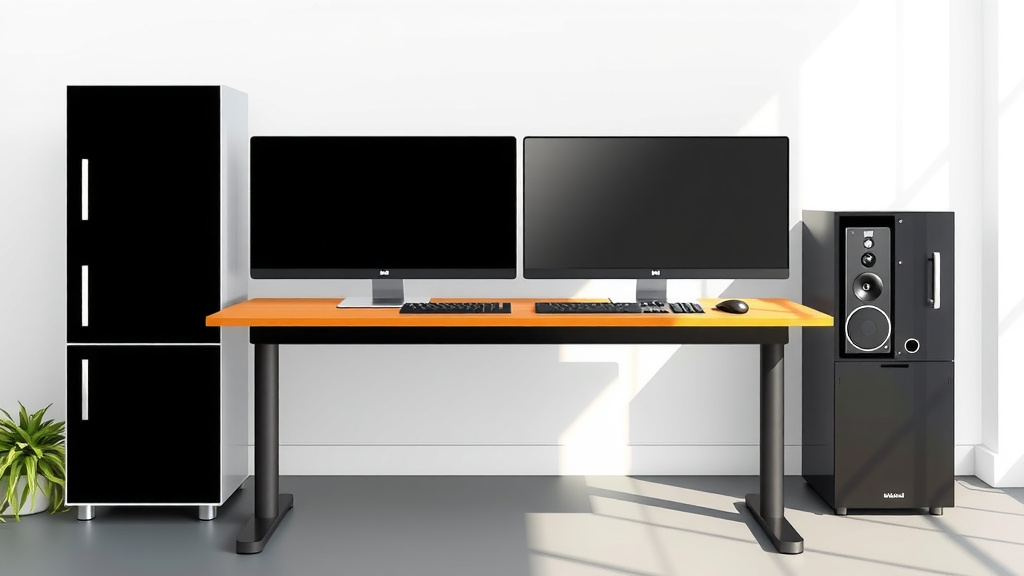
Beyond Dimensions: Other Factors to Consider
While size is a major player, a few other things can influence your desk choice.
Monitor Mounts vs. Stands
Do your monitors come with bulky stands? These can eat up valuable desk space. Many people opt for monitor arms or mounts. These attach to the desk and hold your monitors. This can free up a lot of surface area. If you plan to use a mount, make sure your desk is sturdy enough to support it. If you plan to use monitor arms or mounts, check our guide to the best monitor mount for ultrawide setups.
When researching mounts, check the maximum weight capacity. Also, look at how they clamp onto the desk. Some require a thicker desk edge than others. This is an area where many users find they can get away with a slightly smaller desk overall if they go the mount route.
Your Workflow and Accessories
Think about your typical workday. Do you spread out papers? Do you need space for a notebook, a tablet, or perhaps a secondary laptop? Maybe you have a favorite coffee mug that needs its own designated spot. Your workflow dictates how much extra space you’ll need beyond just the monitors, keyboard, and mouse.
We found that adding just a few extra accessories can quickly make a desk feel cluttered. A wider desk (55 inches+) gives you breathing room. It means you won’t be constantly shuffling things around. This mental clarity can really boost your productivity.
Desk Leg Style and Stability
The design of the desk legs can also impact usable space. Some desks have legs that are right at the corners, which is great. Others have more elaborate leg structures that might intrude on your legroom. Also, ensure the desk is stable. A wobbly desk is annoying and can be a safety concern if you have expensive monitors on it.
Your Dual-Monitor Desk Checklist
Ready to find the perfect desk? Keep these points in mind:
- Check your monitor sizes and plan for spacing.
- Aim for a desk at least 47 inches wide, ideally 55+ inches.
- Look for a depth of 24 inches minimum, 28-30 inches preferred.
- Consider if you’ll use monitor mounts to save surface space.
- Think about all your essential accessories and workflow needs.
- Ensure the desk is stable and offers comfortable legroom.
Conclusion
Finding the right desk for your dual-monitor setup boils down to thoughtful planning. We’ve seen that while 47 inches wide might be a starting point, aiming for 55 inches or more truly optimizes your workspace. This extra room supports better ergonomics, keeps clutter at bay, and allows for a more comfortable viewing distance. Don’t forget the depth, too; a desk that’s 28-30 inches deep makes a big difference. Now, take these measurements and start looking for a desk that fits your monitors, your workflow, and your comfort.
Frequently Asked Questions
What’s the absolute minimum desk width for two monitors?
For a very tight setup, especially with smaller monitors (around 20-24 inches), a desk that’s 47 inches wide can technically work. However, we found this often leaves very little room for your keyboard, mouse, and any other essentials, potentially leading to a cramped feel.
How much space should I leave between two monitors?
Leaving a gap of about 2 to 4 inches between your monitors is generally recommended. This spacing helps reduce eye strain by allowing your eyes to move more naturally between screens. It also provides a little breathing room for monitor stands or cables.
Does monitor size significantly impact the desk size I need?
Yes, monitor size is a key factor. Larger monitors, like 27-inch or 32-inch screens, take up much more width. You’ll need to factor in their actual screen dimensions plus the bezels and your desired gap. Larger monitors strongly push you toward wider desk options, ideally 55 inches or more.
Can I use a smaller desk if I get monitor mounts?
Absolutely. Monitor mounts can free up a substantial amount of desk surface space that would otherwise be occupied by monitor stands. If you plan to use monitor arms, you might find you can comfortably manage with a slightly smaller desk, perhaps in the 47-54 inch range, than if you were using traditional stands.
Is desk depth as important as width for a dual-monitor setup?
Yes, desk depth is quite important for ergonomics. A shallower desk might force you to sit too close to your monitors, which isn’t ideal for your eyes and neck. We found that a depth of at least 24 inches is a minimum, but 28-30 inches offers much better comfort and space for proper monitor placement.