How to Keep a Monitor On When Laptop Is Closed
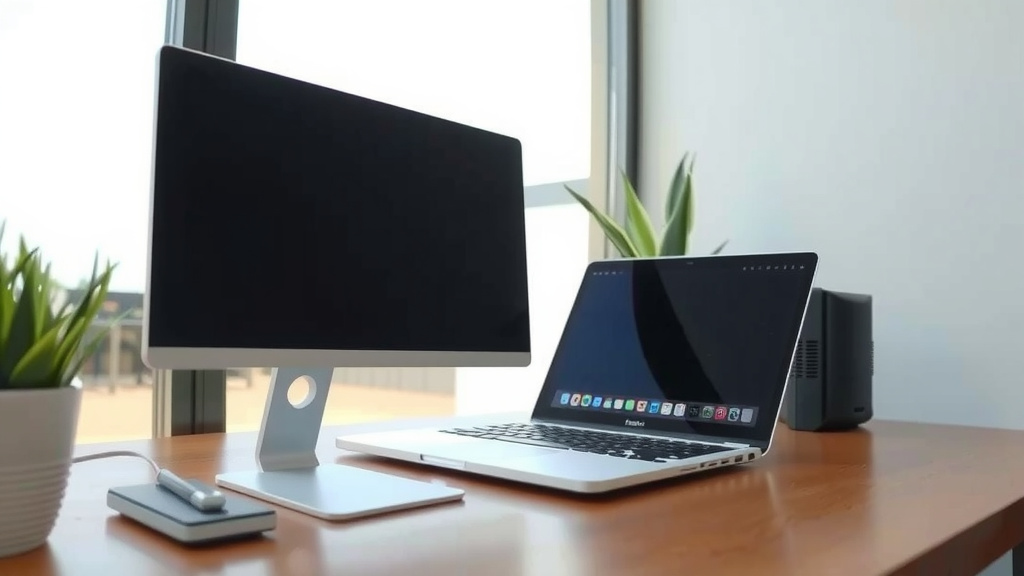
Yes, you can absolutely keep your monitor on when your laptop is closed. This is often called “clamshell mode.” It allows you to use your laptop’s power with a larger, more comfortable external display. You just need a few things to make it work. Keeping your monitor on is a great way to boost productivity.
Many people wonder if closing the laptop will turn it off. Thankfully, your computer won’t shut down. It simply needs to be told how to behave. This setup is perfect for creating a dual-monitor workstation from your laptop. It’s a clever way to expand your workspace.
- Close your laptop and use an external monitor.
- Connect your laptop to power.
- Use an external keyboard and mouse.
- Ensure your laptop is set to “Do Nothing” when the lid is closed.
Let’s walk through exactly how to set this up so you can enjoy your expanded screen real estate without any fuss.
“`htmlUsing Your Laptop Monitor with an External Display
You can definitely use your laptop with the lid closed and an external monitor. This is a popular setup. It lets you use your laptop’s processing power. You get the benefit of a much larger screen. It feels like a desktop computer. This is often called “clamshell mode.” It’s a great way to boost your workspace.
The Necessary Gear for Clamshell Mode
To get your external monitor working with your closed laptop, you’ll need a few key items. Think of it like building a mini-command center. You’re repurposing your laptop. You’re giving it a new primary display. This setup is surprisingly simple once you have the right pieces.
Power Source is Non-Negotiable
First and foremost, your laptop must be plugged in. It cannot run on battery power alone in this configuration. Laptops are designed to conserve battery when the lid is shut. Running an external display also uses more power. Make sure your charger is connected and recognized by your laptop.
External Keyboard and Mouse Are Essential
You won’t be able to use your laptop’s built-in keyboard or trackpad. Your laptop will be closed. Therefore, you need external peripherals. A USB keyboard and mouse are the most common choices. Wireless options work too. Just ensure they are connected and working before you close the lid.
The External Monitor Connection
Of course, you need your external monitor. This monitor will be your main screen. You’ll also need the correct cable to connect your laptop to the monitor. Common connections include HDMI, DisplayPort, or USB-C. Your laptop and monitor will dictate which cable you need. Make sure the cable supports video output.
Configuring Your Laptop’s Power Settings
This is the most critical step. You need to tell your laptop how to behave when the lid is closed. By default, many laptops go to sleep. We need to change that behavior. This setting is usually found in your operating system’s power management options.
For Windows Users: Adjusting Power Options
If you’re using a Windows laptop, the settings are within the Control Panel. You’ll want to find “Power Options.” From there, look for an option that says “Choose what closing the lid does.” Click on “Change settings that are currently unavailable.” You will then see options for “On battery” and “Plugged in.” For “Plugged in,” set “When I close the lid” to “Do nothing.” This tells Windows to keep running even when the lid is down.
For macOS Users: System Settings and Power Adapter
MacBooks have a similar setting, but it’s a bit simpler. For macOS, the key is ensuring your MacBook is connected to power and an external display. Then, close the lid. Apple’s documentation states that macOS will automatically use the external display when the lid is closed if it’s connected to power and a keyboard/mouse. You don’t typically need to change a specific setting in System Settings for this. It’s designed to work out of the box for many configurations.
Troubleshooting Display Detection
Sometimes, your laptop might not automatically detect the external monitor. If this happens, try going to your display settings. On Windows, right-click on your desktop and select “Display settings.” You might need to click “Detect” to make your laptop find the new screen. On a Mac, go to System Settings > Displays. Ensure both displays are recognized. You can often arrange them here.
Optimizing Your Dual-Monitor Setup
Once your external monitor is active with your laptop closed, you can optimize your workspace. Think about how you want your screens arranged. This can make a big difference in your workflow. A well-arranged desk leads to better focus.
Arranging Your Displays
In your display settings, you can arrange the virtual position of your monitors. Drag and drop the monitor icons to match their physical placement on your desk. This ensures your mouse cursor moves logically between screens. You can also choose which display is your “main” display. This is where your taskbar or dock will appear.
Choosing the Right Resolution and Refresh Rate
For the best visual experience, ensure your external monitor is set to its native resolution. This provides the sharpest image. Also, check the refresh rate. Most monitors default to the highest supported rate. Higher refresh rates (like 120Hz or 144Hz) provide smoother motion. Lower rates (like 60Hz) are fine for most tasks.
Quick Checklist for Success
Here’s a quick recap to ensure you have everything needed. It’s like a pre-flight checklist for your expanded workstation.
- Laptop Connected to Power: Your laptop must be plugged in.
- External Monitor Connected: Use the correct video cable.
- External Keyboard & Mouse: Connect them before closing the lid.
- Power Settings Adjusted: Set lid close action to “Do Nothing” (Windows).
- macOS Specifics: Ensure power and peripherals are connected.
- Display Detection Verified: Check display settings to confirm recognition.
Conclusion
You’ve now learned how to transform your laptop into a powerful workstation using an external monitor, even with the lid closed. By ensuring your laptop is plugged in, you have an external keyboard and mouse, and you’ve adjusted your power settings, you’re all set. This clamshell mode setup is fantastic for boosting your productivity. It gives you more screen space without needing a separate desktop computer. So, go ahead and give it a try to expand your digital workspace!
Frequently Asked Questions
Will my laptop overheat with the lid closed?
Overheating is a concern for some, but typically not an issue with modern laptops. Laptops are designed with ventilation in mind. Ensure your laptop has adequate airflow around it, and avoid placing it on soft surfaces like blankets while in clamshell mode. If you experience persistent overheating, consider a laptop cooling pad.
Can I use my laptop’s screen and an external monitor at the same time?
Yes, you can! This is called a dual-monitor setup. When your laptop is open, you can extend your desktop across both screens. This allows you to have different applications open on each display, greatly increasing your multitasking capabilities. You can configure this in your display settings.
Does closing my laptop in clamshell mode affect performance?
Generally, no. Your laptop’s processing power remains the same. In fact, using an external monitor might feel faster because you’re not using the built-in display’s resources. The main performance consideration is how many demanding applications you’re running simultaneously.
What if my laptop doesn’t have enough ports for everything?
If your laptop is short on ports, you can use a USB hub or a docking station. A USB hub can expand your available USB ports for your keyboard, mouse, and other accessories. A docking station often provides even more connectivity options, including video outputs and Ethernet, making the setup cleaner.
Is this setup good for gaming?
Yes, this setup can be great for gaming! Using an external monitor often means you can connect to a larger, higher-resolution, or higher-refresh-rate display. Ensure your laptop’s graphics card can handle the demands of the games you play on the external monitor for the best experience.