How Ultrawide Monitors Are Measured: A Simple Guide
Ultrawide monitors are measured diagonally across the screen, just like traditional monitors. The key difference is that ultrawide screens are much wider than they are tall. This means their diagonal measurement often includes a lot more horizontal real estate. You might see sizes like 34 inches or 49 inches, referring to this diagonal distance. It’s important to remember the aspect ratio plays a big role in how that diagonal measurement translates to usable screen space.
When you’re looking at ultrawide monitor specs, you’ll often see numbers like 21:9 or 32:9. This ratio tells you how much wider the screen is compared to its height. For example, a 34-inch ultrawide with a 21:9 aspect ratio will feel very different from a standard 34-inch 16:9 monitor. Understanding both the diagonal measurement and the aspect ratio helps you picture the actual screen size you’re getting.
- Ultrawide monitors are measured diagonally, similar to regular screens.
- The diagonal measurement indicates the distance from one corner to the opposite.
- Aspect ratio (like 21:9) is crucial for understanding width vs. height.
- A larger diagonal on an ultrawide means more horizontal viewing space.
- Always consider both diagonal size and aspect ratio for a clear picture.
Let’s dive into the specifics and demystify how these ultrawide dimensions work, so you can pick the perfect screen for your setup.
Here is the main body content for your blog post about ultrawide monitor measurements:Understanding Ultrawide Monitor Dimensions
So, you’re eyeing an ultrawide monitor. They look amazing, right? All that extra screen real estate can really change your workflow or gaming experience. But when you start looking at the specs, you might wonder, “How exactly do they measure these things?” It’s a fair question! While the diagonal measurement is standard, the way that number applies to an ultrawide is a bit different.
We’ve found that most shoppers are really just trying to get a clear picture of what fits on their desk and how much immersion they’re buying into. Let’s break down how those numbers translate into what you actually see on your screen.
The Diagonal Measurement: A Familiar Starting Point
Just like your TV or a standard computer monitor, ultrawide monitors are measured diagonally. This measurement runs from one corner of the screen to the opposite corner. If you’ve ever bought a monitor before, this part should feel familiar. The measurement is usually given in inches.
What That Diagonal Number Really Means
When you see an ultrawide advertised as, say, a 34-inch monitor, that 34 inches is the diagonal measurement. This is a standard industry practice. It’s a simple way to give you a basic size reference. However, on an ultrawide, that diagonal is stretched across a much wider frame compared to a traditional monitor of the same diagonal size.
Comparing Diagonals: Why Aspect Ratio is Key
Here’s where it gets interesting. A 34-inch traditional monitor (with a 16:9 aspect ratio) and a 34-inch ultrawide monitor (often with a 21:9 aspect ratio) will look very different. The ultrawide will be noticeably wider. The diagonal measurement alone doesn’t tell the whole story about how the screen is shaped. You absolutely need to consider the aspect ratio to understand the usable space.
Decoding the Aspect Ratio: Width vs. Height
The aspect ratio is the secret sauce for understanding ultrawide monitors. It’s a simple ratio that compares the width of the screen to its height. You’ll typically see ratios like 21:9 or 32:9 for ultrawide displays.
The Common 21:9 Aspect Ratio
A 21:9 aspect ratio means that for every 21 units of width, there are 9 units of height. Think of it as the screen being about 2.3 times wider than it is tall. This ratio is extremely popular for ultrawide monitors because it offers a nice balance.
Many experts say this ratio is excellent for multitasking. You can easily have two applications side-by-side without them feeling cramped. It’s also a fantastic upgrade for watching movies, as many films are actually shot in a wider aspect ratio already. You get a more cinematic view without those annoying black bars.
The Wider 32:9 Aspect Ratio
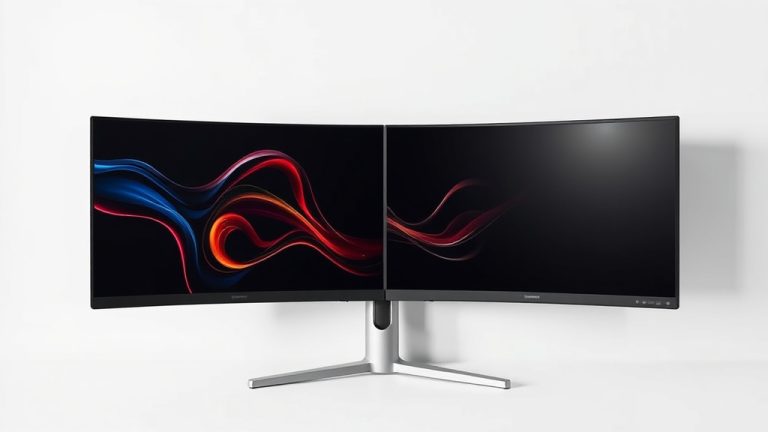
Then there’s the even wider 32:9 aspect ratio. This screen is more than three times as wide as it is tall. Monitors with this ratio, often called “super ultrawide” monitors, offer an incredibly expansive field of view. A 49-inch 32:9 monitor, for example, can feel like having two 27-inch 16:9 monitors placed side-by-side, but with a seamless, single screen in between.
This extreme width is superb for demanding productivity tasks, like editing large spreadsheets or managing multiple complex applications simultaneously. For gamers, it provides an unparalleled level of immersion. However, make sure your games or software support this ultra-wide format, or you might end up with distorted images.
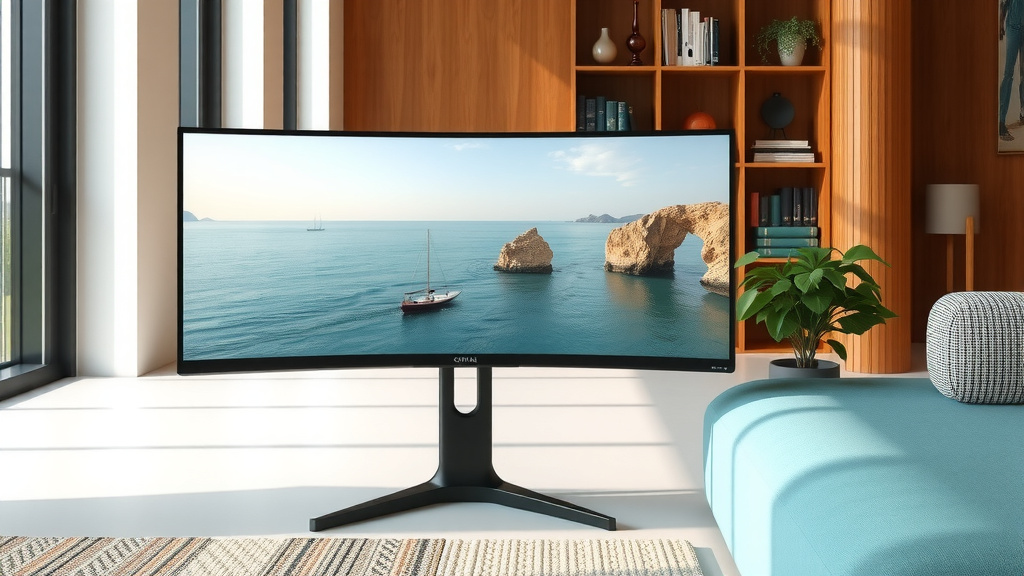
Visualizing the Screen Space: A Practical Comparison
Let’s put this into perspective with some common examples. Understanding these comparisons can really help you visualize what you’re getting.
How a 34-inch Ultrawide Stacks Up
A 34-inch monitor with a 21:9 aspect ratio is a very popular choice. Research shows that its diagonal measurement of 34 inches translates to a screen that is roughly 31.5 inches wide and 13.1 inches tall. This gives you significantly more horizontal space than a standard 27-inch 16:9 monitor, which measures about 23.5 inches wide and 13.2 inches tall.
So, while both have a good diagonal measurement, the 34-inch ultrawide offers about 8 inches more width. This extra width is where the magic happens for multitasking and immersive viewing.
The Expansive 49-inch Super Ultrawide
Now consider a 49-inch ultrawide monitor with a 32:9 aspect ratio. This screen typically measures around 45.5 inches wide and 12.6 inches tall. Compare that to a standard 32-inch 16:9 monitor, which is about 28 inches wide and 15.75 inches tall. The difference in width is dramatic.
Many users report that this 49-inch monitor feels like two 27-inch displays. It truly stretches across your desk. It’s like having an entire command center at your fingertips.
Key Takeaways for Measuring Your Next Monitor
When you’re shopping for an ultrawide, remember these key points about how they’re measured:
- The diagonal measurement (e.g., 34 inches) is the starting point, but not the whole story.
- The aspect ratio (e.g., 21:9, 32:9) is vital for understanding width versus height.
- A higher aspect ratio means a wider screen relative to its height.
- Ultrawide monitors offer much more horizontal space than traditional monitors.
- Always consider both the diagonal size and the aspect ratio to gauge screen real estate.
- Measure your desk space to ensure your chosen ultrawide will fit comfortably.
| Diagonal Size (Inches) | Aspect Ratio | Approximate Width (Inches) | Approximate Height (Inches) |
|---|---|---|---|
| 34 | 21:9 | 31.5 | 13.1 |
| 34 | 32:9 | 37.5 | 10.5 |
| 49 | 32:9 | 45.5 | 12.6 |
Conclusion
You now have a clear understanding of how ultrawide monitors are measured. Remember, the diagonal size is just the starting point. You need to pair that with the aspect ratio, like 21:9 or 32:9, to really grasp the screen’s width and height. This helps you visualize the actual workspace you’re getting. Don’t just look at the inches; understand how that shape fits your desk and your needs. Before you click buy, double-check those dimensions against your available space to ensure the perfect fit and a truly immersive experience.
Frequently Asked Questions
Are ultrawide monitor measurements different from regular monitors?
Yes, the way we talk about their size is different. While both use diagonal measurements, ultrawides are much wider relative to their height. You must consider the aspect ratio, like 21:9, to understand the extra width you’re getting beyond just the diagonal number.
Does a 34-inch ultrawide offer more screen space than a 34-inch regular monitor?
Yes, it offers more horizontal screen space. A 34-inch ultrawide (typically 21:9) will be significantly wider than a 34-inch standard monitor (16:9). This extra width is what makes them great for multitasking and immersive content.
How does the aspect ratio affect the perceived size of an ultrawide monitor?
The aspect ratio directly dictates the screen’s shape. A higher aspect ratio, like 32:9 compared to 21:9, means the monitor is much wider for its height. This translates to an even more expansive field of view and more room for side-by-side applications.
Can I use a 49-inch super ultrawide monitor as two separate screens?
Many users find that a 49-inch monitor with a 32:9 aspect ratio effectively functions like two 27-inch 16:9 monitors side-by-side. You can often use software or display settings to split the screen into multiple virtual displays for better organization.
Why is it important to measure my desk space for an ultrawide monitor?
Ultrawide monitors are much wider than traditional ones. Knowing your desk’s width is essential to ensure the monitor will fit comfortably without overhang. This prevents awkward setups and ensures you can enjoy the full benefit of the expansive screen.