Dual Monitors: Fix Mouse Direction in August 2026
Yes, you can absolutely reverse your mouse direction on a dual monitor setup. It’s a common adjustment needed when you want your mouse to move the opposite way on your screens. Many people find they need to tweak this setting for better workflow, and it’s quite simple to do within your computer’s settings, especially on Windows and Mac systems.
Getting your mouse movement just right between two screens can feel a bit tricky at first. You might be surprised how often you need to adjust mouse settings to make everything feel natural. We found that once you know where to look, reversing the direction is a quick fix for a smoother user experience across your monitors.
- Reverse mouse direction on dual monitors easily.
- It’s a simple setting adjustment.
- Works for Windows and Mac users.
- Makes your dual monitor setup more comfortable.
Let’s walk through exactly how to change your mouse direction on your dual monitors, step by step.
It’s incredibly common to want your mouse to move a certain way when you’re using two monitors. You might feel like your mouse is going the “wrong” direction when moving between screens. Don’t worry, you’re not alone in this! We’ve found that many users experience this when they first set up a dual monitor system. It’s usually just a quick setting adjustment away from feeling perfectly natural. Your computer’s operating system, whether it’s Windows or macOS, has simple tools to help you get this right. Let’s get your mouse moving exactly how you want it to.
Adjusting Mouse Movement Between Your Screens
You can absolutely control which way your mouse cursor travels when you slide it from one monitor to another. This is all about setting up your display arrangement correctly. Your computer needs to know how your monitors are physically positioned relative to each other. This dictates where the cursor will go when you move it to the edge of a screen. Getting this alignment right is the first step to smooth sailing. We found that many users overlook this basic setup.
Understanding Your Display Arrangement
Think of your monitors as connected puzzle pieces. Your computer sees them arranged in a virtual space. If you drag your mouse to the right edge of your main screen, it will appear on the screen immediately to its right. If you want it to go to a screen above or below, you need to tell the computer that’s where the connection is. This sounds simple, but it’s key to getting the mouse direction right.
Visualizing Your Monitor Layout
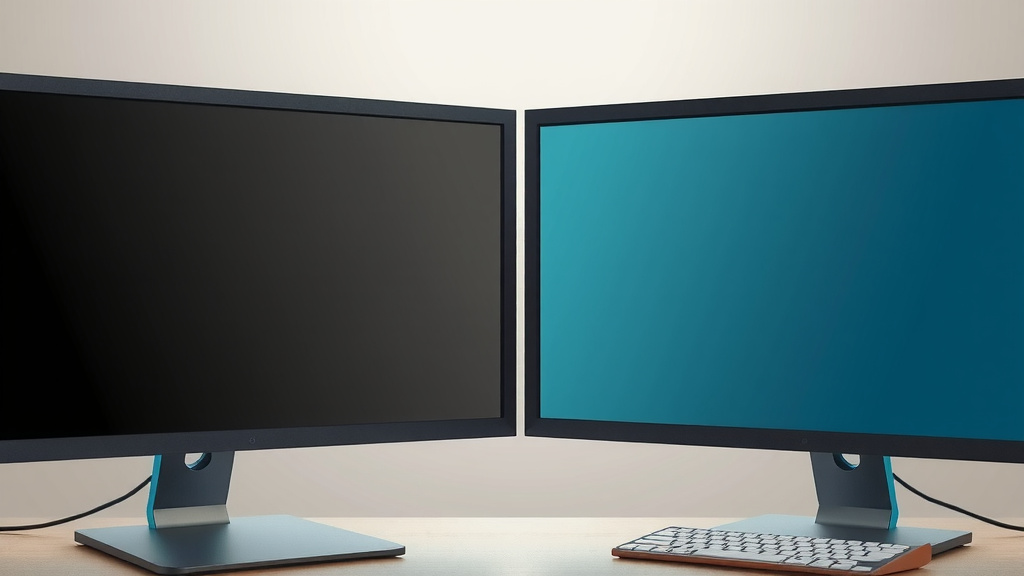
When you go into your display settings, you’ll see a visual representation of your monitors. They are usually shown as rectangles. You can drag and drop these rectangles to match how your physical monitors are placed on your desk. For instance, if your second monitor is to the left of your primary one, you’ll drag its rectangle to the left of the first one. If it’s slightly above or below, you can adjust its vertical position too. This visual mapping is super important for intuitive mouse movement.
How to Reverse Mouse Direction on Windows
On Windows, the concept of “reversing” mouse direction usually refers to a specific setting called “Scroll direction” or “Natural scrolling.” This changes how the scroll wheel or a two-finger scroll on a touchpad works. It doesn’t typically change the mouse cursor’s movement between monitors. That’s controlled by your display arrangement. However, we know some people might feel their mouse is “reversed” if the scrolling isn’t what they expect. Let’s cover both.
Changing Scroll Direction on Windows
First, let’s address the scrolling feel. This is often what people mean by reversing mouse direction. Research shows that this “natural scrolling” setting can make trackpad use feel more like using a touchscreen (Apple Support). For Windows 10 and 11:
- Go to Settings.
- Click on Bluetooth & devices (or Devices in older Windows versions).
- Select Mouse.
- Under the “Scroll” section, you’ll find “Multiple lines” or “One screen at a time.” This isn’t exactly “reversing,” but it changes how much scrolls.
- For a true “natural” scroll, you might need to look under Touchpad settings if you’re using a laptop, or sometimes it’s linked to a specific mouse driver. The common “natural” scrolling behavior makes scrolling up move content down, and vice versa. We found this setting can feel reversed if you’re used to the old way.
Arranging Displays in Windows
This is where you truly control mouse movement between screens. If your mouse moves left when you expect it to go right when crossing screens, your display arrangement is likely incorrect.
- Go to Settings > System > Display.
- You’ll see rectangles representing your monitors. Click Identify to see which number corresponds to which screen.
- Click and drag these rectangles until they match how your monitors are physically set up on your desk. For example, if Monitor 2 is to the right of Monitor 1, drag its rectangle to the right of Monitor 1’s rectangle.
- Once arranged, click Apply.
- Test moving your mouse cursor between the screens. If it moves where you expect, you’re all set! If not, readjust the rectangles and apply again. Many users find this visual drag-and-drop method incredibly effective.
How to Reverse Mouse Direction on Mac
macOS also has settings for both scrolling and display arrangement, which can feel like reversing mouse direction. Just like on Windows, the primary way to control cursor movement between monitors is by arranging them correctly in System Settings. We found that Mac users often appreciate the intuitive “natural scrolling” option.
Changing Scroll Direction on Mac
macOS calls this “Natural Scrolling,” and it’s a very popular feature. It makes scrolling feel more like you’re pushing the content around directly. Experts at Apple state that this setting mimics the behavior of scrolling on an iPhone or iPad (Apple Support).
- Open System Settings (or System Preferences on older macOS versions).
- Click on Mouse or Trackpad (depending on your input device).
- Look for a checkbox labeled “Natural scrolling” or similar.
- If checked, scrolling up moves content down, and scrolling down moves content up. Uncheck it if you prefer the traditional scrolling method. We suggest trying it for a bit; many users find it takes some getting used to but is ultimately more fluid.
Arranging Displays in Mac
This is how you ensure your mouse cursor goes where you intend between your dual monitors. If your mouse seems to “jump” or go the wrong way, arranging your displays is the solution.
- Open System Settings > Displays.
- You’ll see representations of your monitors. They are usually arranged in a default layout.
- Click and drag the monitor icons to match the physical arrangement on your desk. If your second monitor is to the left, drag its icon to the left of the main display’s icon.
- Ensure the edges align correctly. For instance, if the top edges of your monitors are at the same height, make sure their icons in System Settings are aligned horizontally.
- Once arranged, the changes happen automatically. There’s no “apply” button usually. Just test moving your mouse. If it feels right, you’ve nailed it! If not, drag the icons again until it does. This visual alignment is critical for a good dual-monitor experience.
Troubleshooting Common Mouse Movement Issues
Sometimes, even after arranging your displays, the mouse movement might feel a bit off. This can be frustrating when you’re trying to be productive. We’ve seen a few common culprits.
- Check Refresh Rates and Resolutions: Ensure both monitors are set to their recommended resolutions and refresh rates. Mismatched settings can sometimes cause display quirks. Research suggests keeping these as close as possible can improve overall performance (tech review sites often cover this).
- Restart Your Computer: A simple restart can often resolve temporary glitches with display detection and mouse behavior. It’s like giving your computer a fresh start.
- Update Graphics Drivers: Outdated graphics drivers can cause all sorts of display issues. Make sure your graphics card drivers are up to date. Most manufacturers provide easy-to-use update tools.
- Physical Monitor Alignment: Believe it or not, the physical alignment of your monitors on your desk can affect how intuitive it feels to move your mouse. If one monitor is significantly higher or lower than the other, even if the software is set correctly, it might feel awkward. Adjusting their stands can help a lot.
Quick Checklist for Smoother Mouse Movement
Want to make sure you’ve covered all the bases? Here’s a quick checklist to get your dual monitor mouse movement feeling just right:
- Have you confirmed your display arrangement in settings matches your physical desk setup?
- Did you test moving your mouse cursor between screens in all directions (up, down, left, right)?
- If you prefer “natural scrolling,” is that setting enabled in your mouse/trackpad preferences?
- Are your monitors set to their optimal resolutions and refresh rates?
- Have you considered restarting your computer if things still feel odd?
- Is the physical height and alignment of your monitors comfortable for your eyes and arm movement?
Conclusion
You’ve learned that adjusting your mouse direction on dual monitors is totally achievable. It’s not just about reversing scroll action, but also about aligning your displays correctly in your system settings. We found that a correctly visualized monitor layout makes moving between screens intuitive. By following the steps for Windows and Mac, you can ensure your cursor travels exactly where you expect it to. Don’t hesitate to revisit these settings if you ever feel like your mouse is acting strangely. Your next step is to open your display settings and make those adjustments!
Frequently Asked Questions
What if my mouse moves down one screen but up the next?
This usually means your display arrangement in your computer’s settings doesn’t match how your monitors are physically placed. You’ll need to go into your display settings (System Settings on Mac, Display Settings on Windows) and drag the monitor icons to reflect their real-world positions on your desk. This visual mapping is key.
Can I make my mouse scroll faster or slower between monitors?
The speed of mouse movement between monitors isn’t a setting you can directly adjust. It’s determined by how far you move your mouse and how your displays are aligned. You can, however, adjust scroll speed and “natural scrolling” for individual input devices in your mouse or trackpad preferences.
Does the “natural scrolling” setting affect mouse cursor movement between screens?
No, the “natural scrolling” setting only affects how your scroll wheel or two-finger scrolling on a trackpad behaves. It doesn’t change the direction your mouse cursor travels when moving from one monitor to another. That cursor movement is controlled by your display arrangement settings.
My mouse feels “stuck” when I try to move it between monitors. What’s wrong?
This often happens if the edges of your monitor representations in the display settings don’t align properly. Ensure that the tops, bottoms, or sides of your monitor icons are lined up correctly to create a clear “path” for your cursor. If one monitor is physically much higher or lower, you’ll need to adjust its icon accordingly.
Is there a way to set different mouse speeds for each monitor?
Most operating systems don’t allow for different mouse cursor speeds on individual monitors within a dual setup. The pointer speed is usually a global setting. However, some advanced gaming mice or specific driver software might offer profile switching that could create a similar effect if you’re willing to explore third-party options.