Gaming Monitor Size: How Big is Right for You
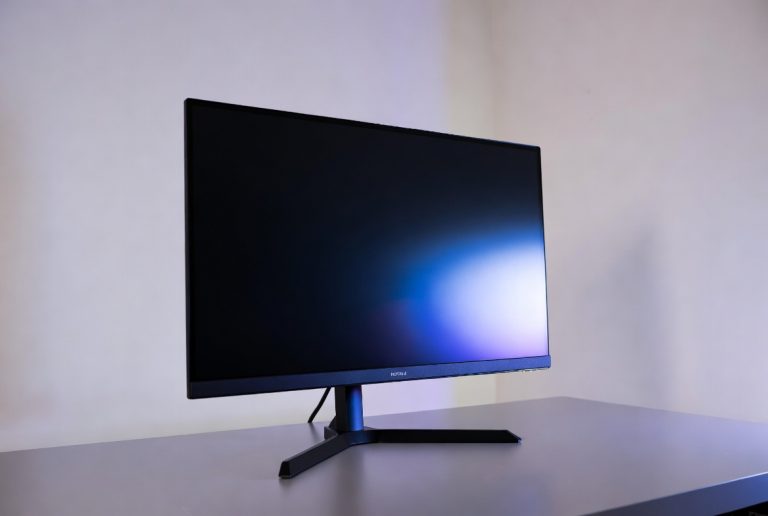
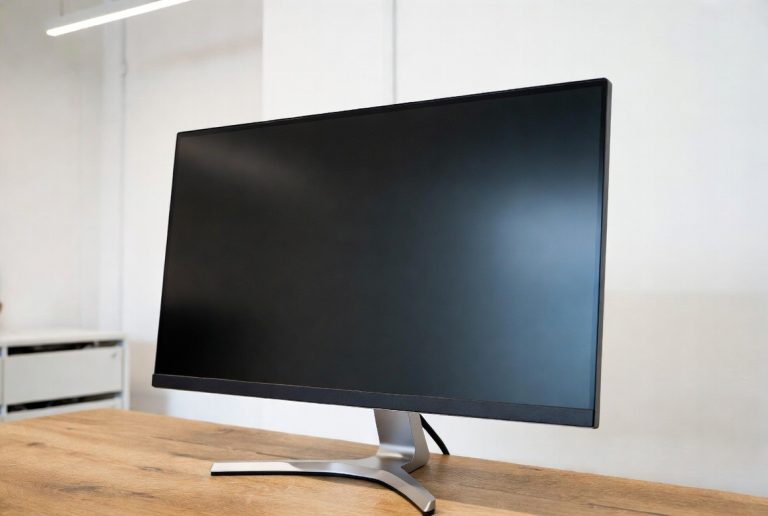
The ideal gaming monitor size really depends on your personal setup and preferences, but most gamers find screens between 24 and 27 inches to be the sweet spot for an immersive experience without straining your eyes. For ultra-wide gaming or a more cinematic feel, larger monitors around 32 inches or even ultrawide options are popular choices, but they require more desk space and a more powerful graphics card.
When choosing, think about how far you sit from your screen. A monitor that’s too large for your viewing distance can feel overwhelming. We found that the best monitors balance screen real estate with comfortable viewing angles and a high refresh rate for smooth gameplay. Consider your desk space too; you don’t want a giant screen taking over your entire setup!
- For most gamers, 24-27 inches is a great starting point.
- Larger sizes (32″+) offer more immersion but need more space.
- Ultrawide monitors are fantastic for cinematic games.
- Viewing distance is key to comfort and immersion.
- Consider your desk size and PC power.
So, let’s dive into what makes a gaming monitor the right size for *your* specific gaming station and how to figure that out for yourself.
“`htmlFinding Your Perfect Gaming Monitor Size
So, you’re wondering, “how big should my gaming monitor be?” It’s a fantastic question! Picking the right size isn’t just about having a bigger screen; it’s about crafting the ideal gaming experience for you. We’ve seen many gamers get this wrong, ending up with a screen that’s too big and causes neck strain or one that’s too small to really get lost in the game.
The truth is, there’s no single “best” size. It truly depends on a few key factors. Let’s break down what you need to consider to find that sweet spot. Your desk, your eyes, and your favorite games all play a role. We’re here to help you navigate this!
The Sweet Spot: Common Sizes and Why They Work
24-Inch Monitors: The Competitive Edge
For a long time, 24 inches was the king of gaming monitors, especially for competitive players. Why? Because it’s perfectly sized for fast-paced games. You can see the entire screen without moving your head much. This means quicker reaction times. Think esports pros; they often stick with 24 inches.
You sit closer to a 24-inch monitor. This gives you a really focused view. It’s like having a tunnel vision for victory! Plus, these monitors usually have incredibly high refresh rates, making motion super smooth. Your PC also doesn’t have to work as hard to push pixels on a smaller screen. This means better performance.
27-Inch Monitors: The Immersive All-Rounder
Stepping up to 27 inches is where many gamers find their happy medium. It offers more screen real estate than a 24-inch without being overwhelming. You get a more immersive feel, which is great for story-driven games or open-world adventures. It’s a popular choice for good reason.
The extra size makes details pop. You can see more of the world your game developer created. We found that the jump from 24 to 27 inches feels significant for immersion. It’s a fantastic upgrade if you have the desk space and a graphics card that can handle it. Just make sure your viewing distance is right.
32-Inch Monitors and Larger: Big Screen, Big Fun
If you want to feel truly enveloped by your game, a 32-inch or larger monitor might be for you. These are fantastic for cinematic experiences. You’ll feel like you’re sitting in the front row of a movie theater. It’s a huge step up in immersion for games with stunning visuals.
However, these giants demand a lot. You need a generous amount of desk space. You’ll also need a powerful graphics card to drive those extra pixels at high resolutions and refresh rates. Many experts suggest a viewing distance of at least 3 feet for these larger screens to avoid eye strain (Cleveland Clinic). Sit too close, and it’s just too much.
The Crucial Factor: Your Viewing Distance
This is arguably the most important thing to consider. How far will you actually be sitting from your screen? This relationship dictates what size monitor will feel comfortable and look best. Too close and too big? It’s like staring at a billboard from across the street. Too far and too small? You’ll be squinting.
Finding Your Ideal Viewing Distance
A good rule of thumb is to measure the distance from your eyes to the monitor. For a 24-inch monitor, a distance of about 2 to 3 feet is often ideal. For a 27-inch, aim for 3 to 4 feet. For 32 inches or larger, you’ll want to be 4 feet or more away. This ensures you can see everything comfortably without excessive head or eye movement.
We found that many people underestimate the impact of viewing distance. They buy a huge monitor but sit too close, leading to a less enjoyable experience. Think of it like watching a TV. A 55-inch TV looks great from 6 feet away, but it might be too much from 2 feet away. It’s the same principle.
Ultrawide and Super Ultrawide: A Different Dimension
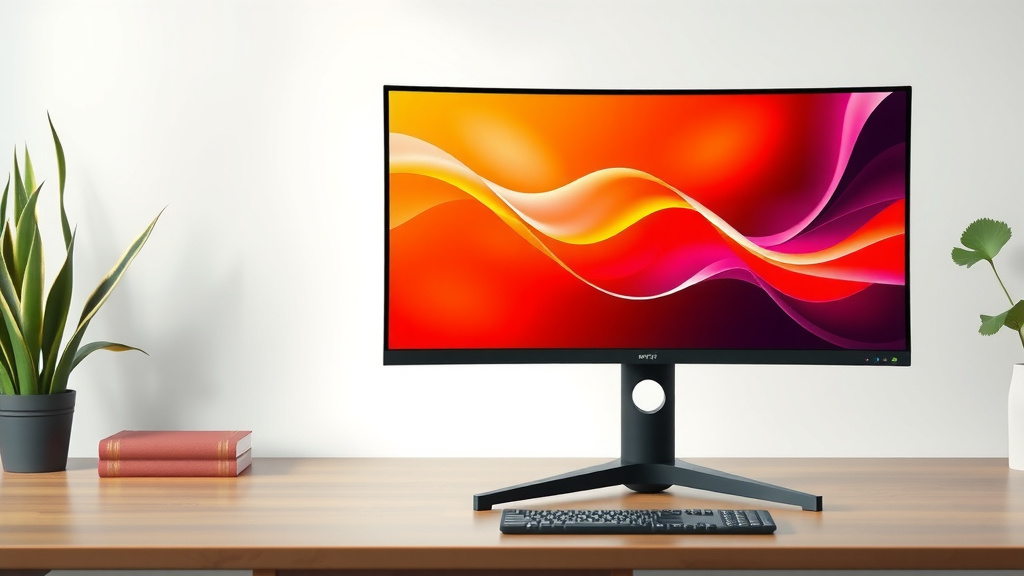
What about those extra-long monitors? Ultrawide (21:9 aspect ratio) and super ultrawide (32:9 aspect ratio) monitors offer a significantly wider field of view. These are fantastic for games that support them. They pull you into the action and give you more peripheral vision.
Imagine driving a race car or exploring a vast open world. An ultrawide can make those experiences feel incredibly expansive and realistic. They fill your vision more. However, like large traditional monitors, they require ample desk space and a powerful GPU to render all those extra pixels smoothly. Not all games are optimized for ultrawide, though many modern titles are.
Beyond Size: Other Factors to Keep in Mind
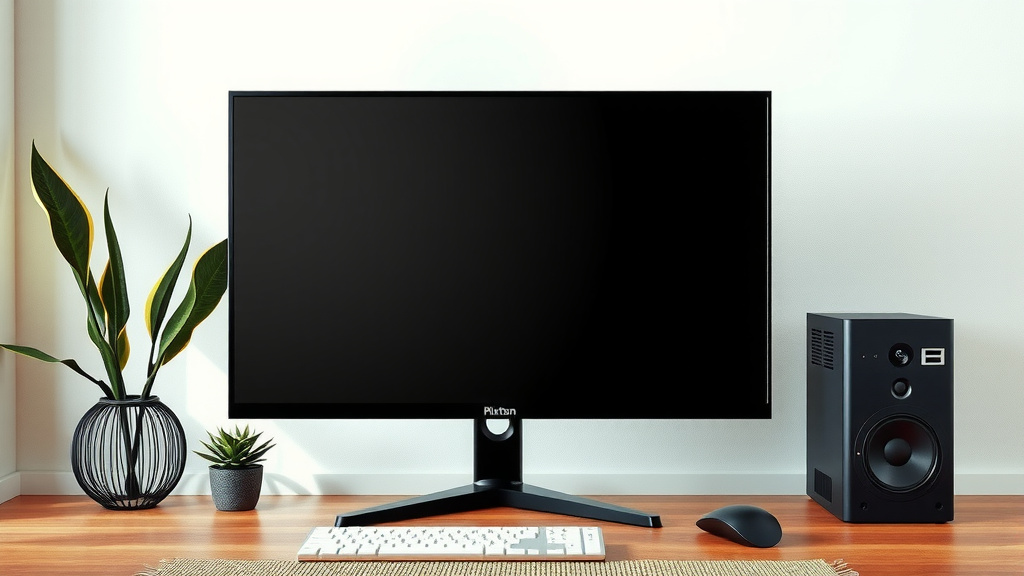
While size is a major consideration, don’t forget other key features. Resolution matters, especially on larger screens. A 1080p resolution on a 32-inch monitor will look much less sharp than on a 24-inch. Many gamers opt for 1440p (QHD) or 4K (UHD) on 27-inch and larger monitors for that crisp, clear image.
Refresh rate and response time are also vital for gaming. You want a monitor that can keep up with your gameplay. These specs aren’t directly related to screen size, but they work hand-in-hand to create a great gaming experience. A large, high-resolution screen with a slow refresh rate won’t feel as good as a smaller, faster one.
Quick Checklist for Your Perfect Monitor Size
To help you decide, here’s a quick checklist:
- How far will you sit from the screen?
- How much desk space do you have available?
- What types of games do you play most often?
- What is your PC’s graphics capability?
- Do you prioritize immersion or competitive advantage?
Conclusion
Finding the right gaming monitor size is about matching the screen to your personal space and how you play. We’ve seen that 24 to 27 inches often hit the sweet spot for most gamers, offering a great balance of immersion and practicality. For those seeking that theater-like experience, larger or ultrawide monitors can be amazing, but be sure you have the desk space and PC power to support them. Always remember to consider your viewing distance and the types of games you enjoy most.
Your next step? Measure your desk space and the distance from where you’ll sit to your monitor. This simple check will guide you toward the perfect screen size and prevent buyer’s remorse.
Frequently Asked Questions
Will a 24-inch monitor feel too small for modern games?
For many players, especially those focused on competitive gaming, a 24-inch monitor remains a solid choice. It allows you to see the entire screen easily without much head movement, which is great for reaction times. If you primarily play fast-paced shooters or MOBAs, it can still feel perfectly adequate.
Is a 32-inch monitor too big if I have limited desk space?
Yes, a 32-inch monitor can easily dominate a smaller desk. You need to ensure you have enough room not just for the screen itself, but also for comfortable viewing distance. If your desk is cramped, you might find a 27-inch or even a 24-inch monitor a more practical and comfortable option.
Do ultrawide monitors require a more powerful graphics card?
Absolutely. Ultrawide monitors have a significantly wider aspect ratio, meaning there are more pixels to render on screen. To maintain smooth frame rates and high visual quality on an ultrawide display, you’ll typically need a more powerful graphics card than what you’d need for a standard 16:9 monitor of the same height.
How do I know if my viewing distance is correct for my monitor size?
A good rule of thumb is to be able to see the entire screen comfortably without moving your head. Generally, for a 24-inch monitor, aim for about 2-3 feet away. For a 27-inch, 3-4 feet is ideal. If you find yourself craning your neck or constantly refocusing your eyes, your distance might be off.
What resolution should I pair with a larger gaming monitor?
For larger monitors like 27-inch and above, you’ll want to consider resolutions higher than 1080p. A 1440p (QHD) resolution is a popular sweet spot for 27-inch monitors, offering sharper visuals without demanding as much from your GPU as 4K. For 32-inch and larger, 4K (UHD) can provide stunning detail if your system can handle it.