Choosing Your Computer Monitor Size: A Guide
The best computer monitor size for you depends on what you do with your computer and your personal space. For most everyday users, a 24-inch monitor offers a great balance of screen real estate and desk footprint. If you’re a gamer or work with large spreadsheets, you might prefer something larger, like 27 inches or more.
Choosing the right size isn’t just about fitting it on your desk. It’s about comfort during long sessions and ensuring the display quality matches your needs. Bigger isn’t always better if it means straining your eyes or feeling cramped. We found that matching screen size to common tasks helps a lot.
- Monitor size depends on your primary computer use.
- 24-inch monitors are great for general productivity.
- Larger screens (27 inches+) are better for gaming and detailed work.
- Consider your desk space and viewing distance.
- Your budget also plays a role.
Let’s break down how to pick the perfect screen size for your setup.
Choosing Your Ideal Screen Size
So, you’re wondering about the perfect monitor size. It’s a question that pops up a lot, and for good reason! The right screen size can make a world of difference in how you enjoy your computer. We’ve looked into it, and it really boils down to a few key factors. Let’s get you sorted.
Understanding Monitor Size Measurements
First off, when we talk about monitor size, we mean the diagonal measurement of the viewable screen area. This is usually measured in inches. For example, a 27-inch monitor has a screen that measures 27 inches from one corner to the opposite corner. It’s important to remember that this doesn’t include the bezel or frame around the screen.
How Your Daily Tasks Influence Your Choice
What you do on your computer most often is the biggest clue to finding the best monitor size. Think about your typical day. Are you mostly browsing the web and writing emails? Or are you diving into detailed photo editing or getting lost in immersive video games? Your usage habits are your best guide.
Everyday Productivity and General Use
For everyday tasks like emailing, web browsing, document creation, and casual media consumption, a smaller to mid-sized monitor often works perfectly. Many people find that a 22-inch to 24-inch monitor provides ample screen space. You can easily see what you need without feeling overwhelmed. Plus, these sizes generally don’t take up too much precious desk real estate.
Creative Work and Professional Applications
If your work involves graphic design, video editing, programming, or detailed data analysis, you’ll likely benefit from a larger screen. More screen real estate means you can open multiple windows side-by-side without them feeling cramped. We found that 27-inch monitors are a popular choice for creative professionals, offering a good balance of space and manageability. Some even opt for 32-inch screens or ultrawide monitors for an even more expansive workspace.
Gaming and Immersive Entertainment
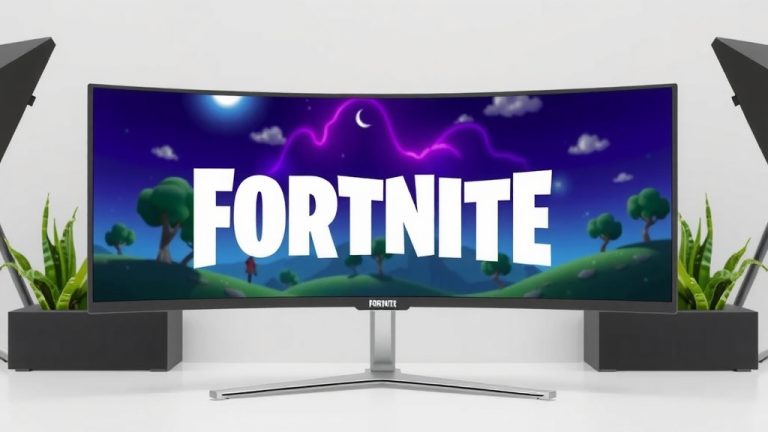
For gamers and those who love to watch movies or stream shows on their PC, screen size can significantly enhance the experience. A larger display can pull you deeper into the game or film. Many gamers prefer 27-inch monitors for their sweet spot of immersion and clarity. However, larger sizes like 32 inches, or even ultrawide monitors (which are much wider than they are tall), are also favored for a truly cinematic or panoramic gaming view. Just remember, with larger screens, you might need a more powerful graphics card to drive them effectively at higher resolutions.
Considering Your Workspace and Viewing Distance
Beyond what you do on your computer, where you put it and how far away you sit are major considerations. A giant monitor might seem appealing, but not if it overwhelms your desk or forces you to crane your neck.
Desk Space Realities
Let’s be honest, not everyone has a sprawling command center. Measure your desk space before you fall in love with a massive monitor. You need to ensure there’s enough room not just for the screen itself, but also for your keyboard, mouse, and any other accessories. A good rule of thumb is to ensure your monitor doesn’t take up more than two-thirds of your desk width.
The Sweet Spot: Viewing Distance
Your viewing distance—how far your eyes are from the screen—plays a big role in comfort and perceived size. For most standard monitors, sitting about an arm’s length away is ideal. We found that for a 24-inch monitor, this is often around 2 to 3 feet. If you sit further back, a larger screen might feel more comfortable. Conversely, if you have a very small desk and sit close, a huge monitor could feel too imposing.
Minimum Recommended Viewing Distances
To avoid eye strain and ensure you can see the entire screen comfortably, keep these general guidelines in mind. For a 24-inch monitor, aim for at least 2 feet. For a 27-inch screen, you might want to be at least 2.5 feet away. Larger displays, especially 4K monitors, benefit from even more distance to appreciate the detail.
Budget and Resolution: The Practical Side
Your budget and the monitor’s resolution are closely tied to its size. Generally, as monitor size increases, so does the price. Resolution also becomes a more significant factor at larger sizes.
Resolution and Pixel Density
Resolution refers to the number of pixels on the screen (e.g., 1080p, 1440p, 4K). Higher resolution means more detail and sharpness. On larger monitors, a lower resolution can make images and text look pixelated or blurry. Many experts recommend pairing larger screen sizes with higher resolutions. For instance, a 27-inch monitor often looks best with at least 1440p (QHD) resolution, while a 32-inch screen typically benefits from 4K (UHD).
We found that a common sweet spot for many users is a 27-inch monitor with 1440p resolution. This offers a good jump in clarity over 1080p without the steeper price tag of 4K or the demanding hardware requirements. Many guidelines suggest aiming for a pixel density of at least 100 pixels per inch (PPI) for a crisp image (RTINGS.com).
Balancing Cost and Features
Ultimately, you need to find a balance that works for your wallet and your needs. A smaller, lower-resolution monitor will generally be more affordable. As you increase size and resolution, the price typically climbs. It’s often better to get a slightly smaller monitor with a higher resolution and better build quality than a massive, low-resolution panel that disappoints on detail.
Key Takeaways for Your Decision
To help you solidify your choice, here’s a quick checklist to run through:
- Do you have enough desk space for the monitor size you’re considering?
- Is your typical viewing distance appropriate for the screen size?
- What are your primary computer tasks – work, gaming, or general use?
- Does the monitor’s resolution match its size for optimal clarity?
- Does the overall cost fit within your budget?
Conclusion
Picking the right monitor size is all about balance. You’ve learned that your daily tasks, desk space, and viewing distance are key factors. It’s not just about getting the biggest screen; it’s about finding one that enhances your computer experience without causing strain. Remember to consider how resolution impacts clarity on larger displays and keep your budget in mind. By matching the screen size to your needs and environment, you’ll make a choice you’ll be happy with every time you power on your PC. Now, measure your desk and take that final step to find your perfect viewing companion!
Frequently Asked Questions
Will a bigger monitor always be better for gaming?
Not necessarily. While larger screens offer more immersion, a monitor that’s too big for your viewing distance can make it hard to see everything on screen. You might also need a more powerful graphics card to run games smoothly at higher resolutions on a larger display.
Can I use a 32-inch monitor in a small room?
You can, but you’ll need to consider your viewing distance carefully. A 32-inch monitor requires more space to be viewed comfortably without eye strain. Make sure you can sit at least 2.5 to 3 feet away from the screen to avoid feeling overwhelmed by its size.
Is 24 inches enough for everyday office work?
Absolutely. For general productivity tasks like email, web browsing, and document editing, a 24-inch monitor often provides a great balance of screen space and desk footprint. You can easily see multiple windows without feeling cramped.
What resolution should I get for a 27-inch monitor?
For a 27-inch monitor, 1440p (QHD) resolution is widely recommended. It offers a noticeable improvement in sharpness and detail over 1080p without the high cost and hardware demands of 4K. This pairing is considered a sweet spot for many users.
How do I know if my viewing distance is correct for a monitor?
A good rule of thumb is to sit about an arm’s length away from the screen. For most standard monitors, this is around 2 to 3 feet. If you find yourself leaning in or constantly moving your head to see different parts of the screen, your distance might be off.